

The silent office revolution changing how teams bond
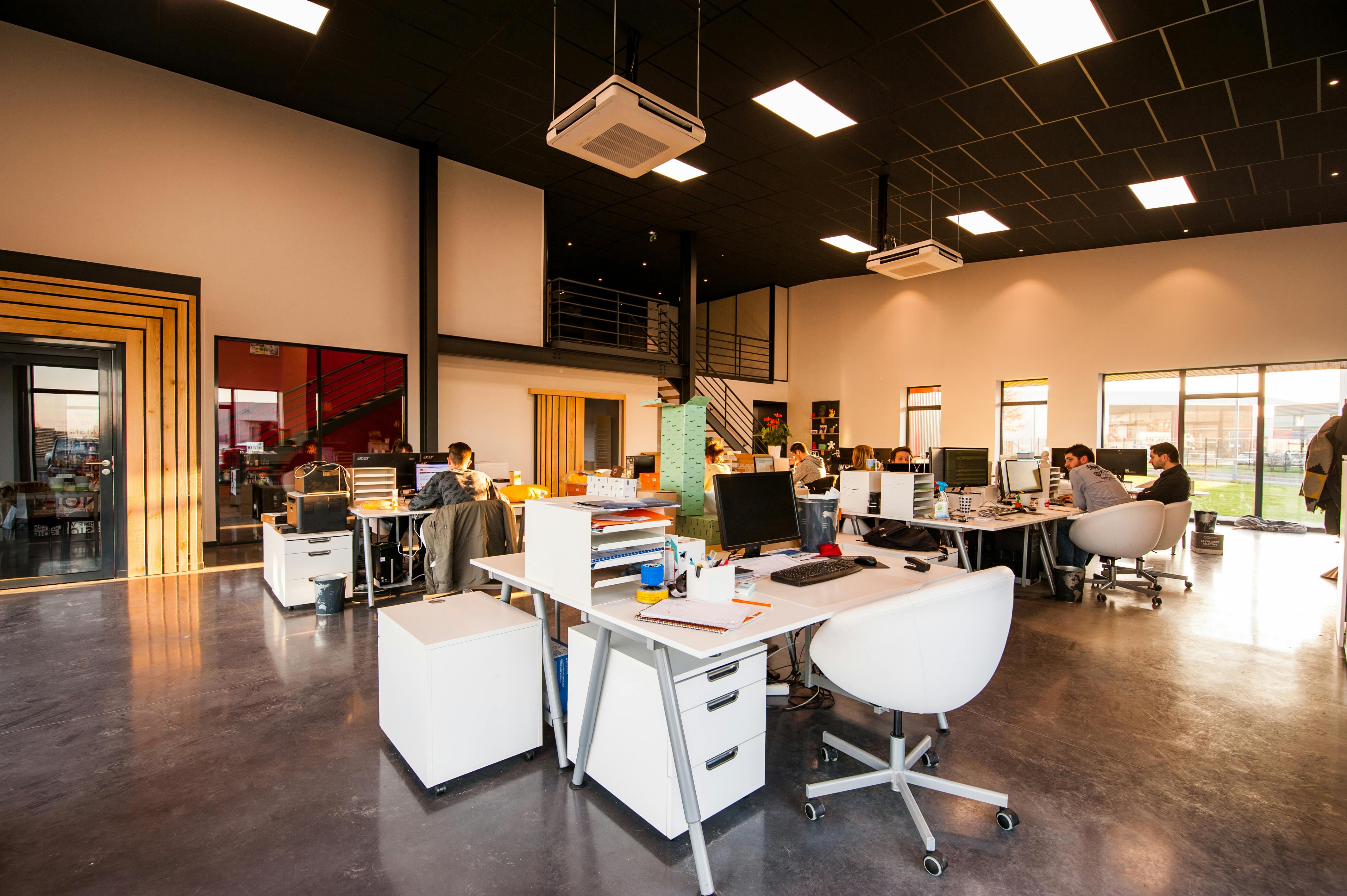
The workplace has undergone significant changes in recent years, with many organizations rethinking how teams interact and collaborate. One notable shift has been the rise of quieter, less traditional office environments that move away from constant chatter and meetings. This silent office revolution is transforming not only productivity but also the way team members connect with each other. As companies adopt new technologies and adapt to changing employee preferences, even the concept of workplace bonding is being redefined. Just as employees seek the most effective work environment for focus and productivity — whether an open plan or a silent office — many individuals also seek out platforms like bedste udenlandske casino to find the optimal setting for their personal entertainment and engagement. In this context, it is worth examining how these silent approaches are influencing team dynamics.
The Evolution of Office Environments
Modern offices are no longer defined solely by open-plan layouts or cubicles. Instead, there is a growing trend toward spaces that prioritize quiet, focused work. This evolution stems from a desire to reduce distractions and improve employee well-being. As a result, many organizations are implementing noise-reduction strategies and creating designated silent work zones. These changes affect not just how people work, but also how they interact with one another throughout the day.
Origins of the Silent Office
The concept of a silent or quiet office is not entirely new, but it has gained momentum due to changes in technology and work culture. With the rise of remote work and digital communication tools, employees increasingly value environments that allow them to concentrate. Many early adopters of silent office practices found that reducing unnecessary noise led to both higher productivity and improved job satisfaction. The shift was influenced by research highlighting the negative impacts of open-office noise on employee performance.
Shift in Communication Patterns
As offices become quieter, communication patterns among team members are also changing. Employees now rely more on written digital communication, such as emails and instant messaging, rather than impromptu conversations. This shift requires adaptation, as workers must learn to convey information clearly and succinctly in writing. The move towards silent collaboration can benefit those who prefer thoughtful responses over quick verbal exchanges, but it may also challenge traditional notions of team bonding.
The Role of Technology in Quiet Collaboration
Technology has played a crucial role in enabling silent office environments. Tools for project management, virtual communication, and document sharing have allowed teams to collaborate effectively without constant face-to-face interaction. These solutions help maintain workflow while supporting the need for focused, noise-free workspaces.
Popular Tools Supporting Silent Collaboration
To facilitate quiet teamwork, many organizations have integrated a range of digital tools into their daily operations. Some commonly used platforms include:
- Project management systems for tracking tasks and deadlines
- Instant messaging and direct messaging apps for quick communication
- Document collaboration tools to allow simultaneous editing
- Scheduling software for organizing virtual or in-person meetings
- Noise-canceling technology and sound masking systems
These technologies reduce the need for in-person interruptions and make it easier for team members to collaborate at their own pace.
Impact on Team Dynamics
While technology enables silent collaboration, it also brings new challenges to team bonding. Without the informal interactions that used to occur in noisy office settings, employees may find it harder to develop personal connections. However, some teams report a greater sense of inclusion, as digital tools can give everyone an equal voice. By balancing technology use with intentional relationship-building efforts, organizations have the opportunity to foster positive team dynamics in a quieter workplace.
Changing Approaches to Team Bonding
Team bonding in silent offices requires new strategies. Traditional techniques such as team lunches or spontaneous gatherings are less frequent, leading companies to seek alternative methods to strengthen relationships among employees. These alternative strategies are designed to align with quieter work environments while still promoting trust and collaboration.
Intentional Relationship-Building Activities
Organizations are investing in structured activities that encourage bonding without disrupting the silent office atmosphere. Examples include scheduled team-building sessions, virtual coffee breaks, and collaborative workshops with specific objectives. These activities are carefully planned to ensure participation and engagement while respecting the need for focused work time. By structuring bonding events, companies aim to balance productivity with social connection.
Benefits and Drawbacks of Silent Bonding
There are both advantages and disadvantages to silent approaches to team bonding. Some benefits include fewer distractions and more opportunities for deep work, which can lead to higher quality outcomes. Employees who prefer quieter environments may feel more comfortable and included. However, the lack of informal interactions can sometimes result in feelings of isolation. To mitigate this, organizations are encouraged to solicit feedback and adjust strategies as needed to maintain a supportive team culture.
Outlook for the Future Workplace
The silent office revolution is likely to continue as organizations prioritize employee well-being and productivity. Ongoing developments in technology and workplace design will further shape how teams connect with one another. As companies learn from the successes and challenges of quieter environments, they will refine their approaches to ensure that workplace bonding remains a core part of team culture.
Adapting to New Norms
As silent offices become more common, employees and managers alike are learning to adapt. Training programs focused on digital communication skills are helping teams navigate the shift. In addition, organizations are experimenting with hybrid models that combine quiet zones with collaborative spaces. This adaptability is crucial for maintaining both effective workflows and strong interpersonal relationships.
Key Takeaways for Organizations
The silent office revolution presents opportunities for innovation in workplace design and team management. Companies that successfully embrace quiet collaboration while supporting team bonding are likely to see benefits in performance, engagement, and employee satisfaction. By staying attuned to individual and team needs, organizations can create environments where both productivity and connection thrive.